

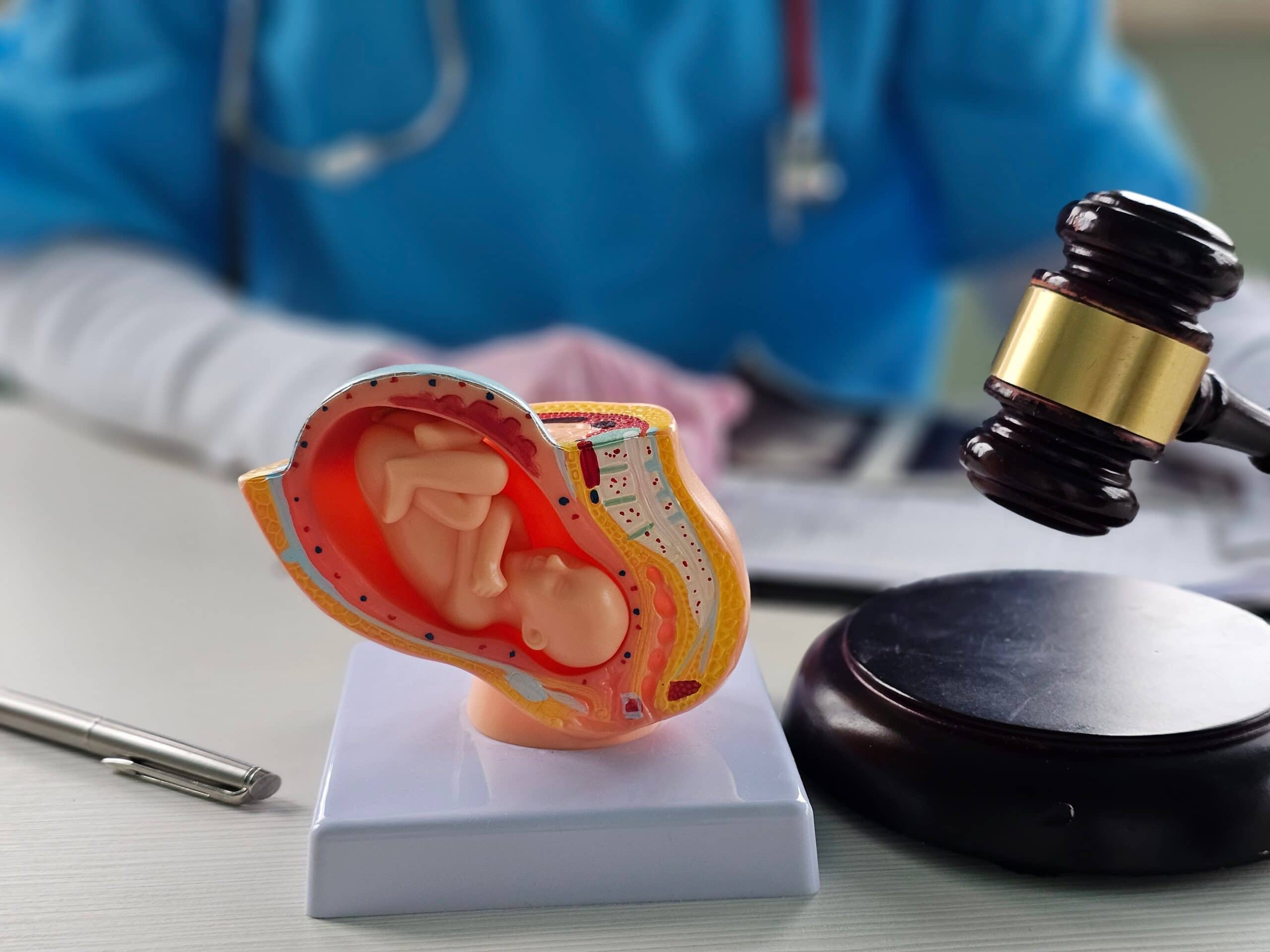
Wrongful birth claims can arise when medical negligence during pregnancy, prenatal testing or family planning deprives parents of the opportunity to make an informed reproductive decision. In the age of new technology and medical diagnostic techniques, medical negligence claims for wrongful birth have become a growing area of law. Examples include missed diagnoses of a fetal condition and negligent sterilisation procedures that result in an unplanned pregnancy.
What is a wrongful birth claim?
The term ‘wrongful birth’, doesn’t suggest that a child’s life is wrongful. It refers to an alleged negligent act or omission made by a medical provider that affected the parents’ reproductive choices.
Pre-natal diagnosis and treatment are the focus of this type of claim.
A claim may arise following a negligently performed sterilisation procedure or a failure to identify or communicate a fetal disability or medical condition before birth. It is the negligent conduct of the medical practitioner in failing to detect, treat and or advise or even refer the patient which denies the parents a right to a termination.
When might you have grounds for a wrongful birth claim?
You may be entitled to make a wrongful birth claim if you have experienced the following:
- A serious medical condition or abnormality with the baby is missed – an ultrasound or other scan should have detected a condition, but the doctor or sonographer failed to identify it.
- A test result is wrongly interpreted – A genetic or prenatal test indicates a possible medical condition or abnormality, but the result is incorrectly reported as normal.
- The parents are not offered an important test – a doctor fails to recommend genetic testing that would reasonably have been appropriate given the parents’ medical or family history.
- A family history or genetic risk is overlooked – A doctor fails to take account of a known genetic condition in the family and does not advise the parents about the potential risk to the baby.
- Genetic counselling is negligently provided - Parents receive incorrect or significantly incomplete information about the chances of their child inheriting a condition.
- A maternal medical condition is missed or poorly managed – A condition affecting the mother or pregnancy is negligently overlooked, potentially causing a serious problem for the baby.
- A laboratory makes an error – For example, a laboratory incorrectly reports a prenatal or genetic test as normal when it should have reported an abnormal result.
The important point is that the baby having a disability or medical condition, by itself, does not mean there has been a wrongful birth. The issue is generally whether negligent medical care meant the parents were deprived of information they would have needed to make an informed choice about the pregnancy.
What compensation is available for a wrongful birth claim?
Compensation for wrongful birth claims varies in different Australian states and territories. In New South Wales, compensation is limited to any additional costs arising from raising a child with a disability. In other words, for a child born with or without a disability, there is no award for the ordinary costs of raising a child.
Other damages may also be available, depending on the circumstances. The entitlement of that compensation is assessed on a case-by-case basis and seeking legal assistance is encouraged prior to making a claim.
If you believe medical negligence may have affected your reproductive choices, contact Turner Freeman’s medical negligence team for a free, no-obligation discussion about your circumstances.
